
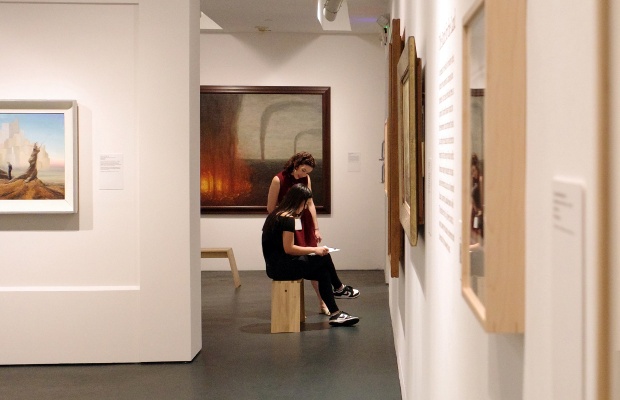
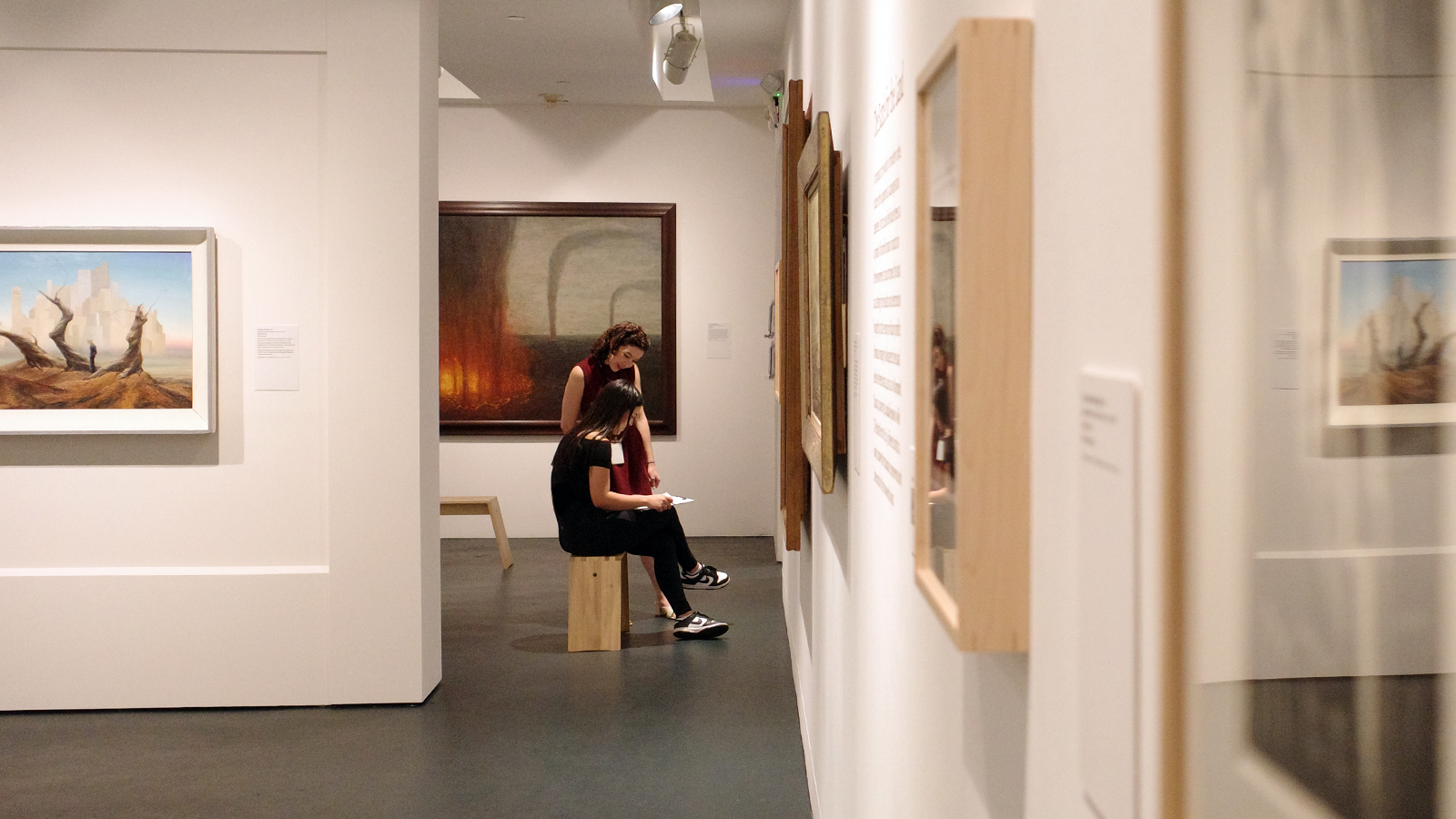
In fall 2024, I taught a longstanding FIU Honors College class, "Art in Miami," while also collaborating with The Wolfsonian for the first time on a label-writing assignment. Throughout the semester, my students—who represent a diverse range of majors, from chemistry and biomedical engineering to history and liberal arts—engage with Miami's unique art world through visits to museums, private collections, artists' studios, and galleries. For many of the students, this class represents their first experience writing about art.
Something I want students to take away from the class is that the transformative power of art lies not in the object itself but in how we interact with it. For the assignment, each student selected a single work from The Big World: Alternative Landscapes in the Modern Era and were invited to "step inside" the world portrayed. They were asked to imagine themselves in the scene and explore its environment, atmosphere, and sensory details firsthand.
Conceptually entering the world of the artwork challenged students not just to analyze and interpret the works but to engage sensorily and emotionally with them. What does an artwork say to us? What does it do to us? Art should be listened to. Please enjoy reading what our wonderful students heard in The Big World.
—John Bailly, Faculty Fellow, FIU Honors College
The following features a selection of student-authored labels about works in The Big World: Alternative Landscapes in the Modern Era. Check out these and others in the exhibition starting November 21, 2024.
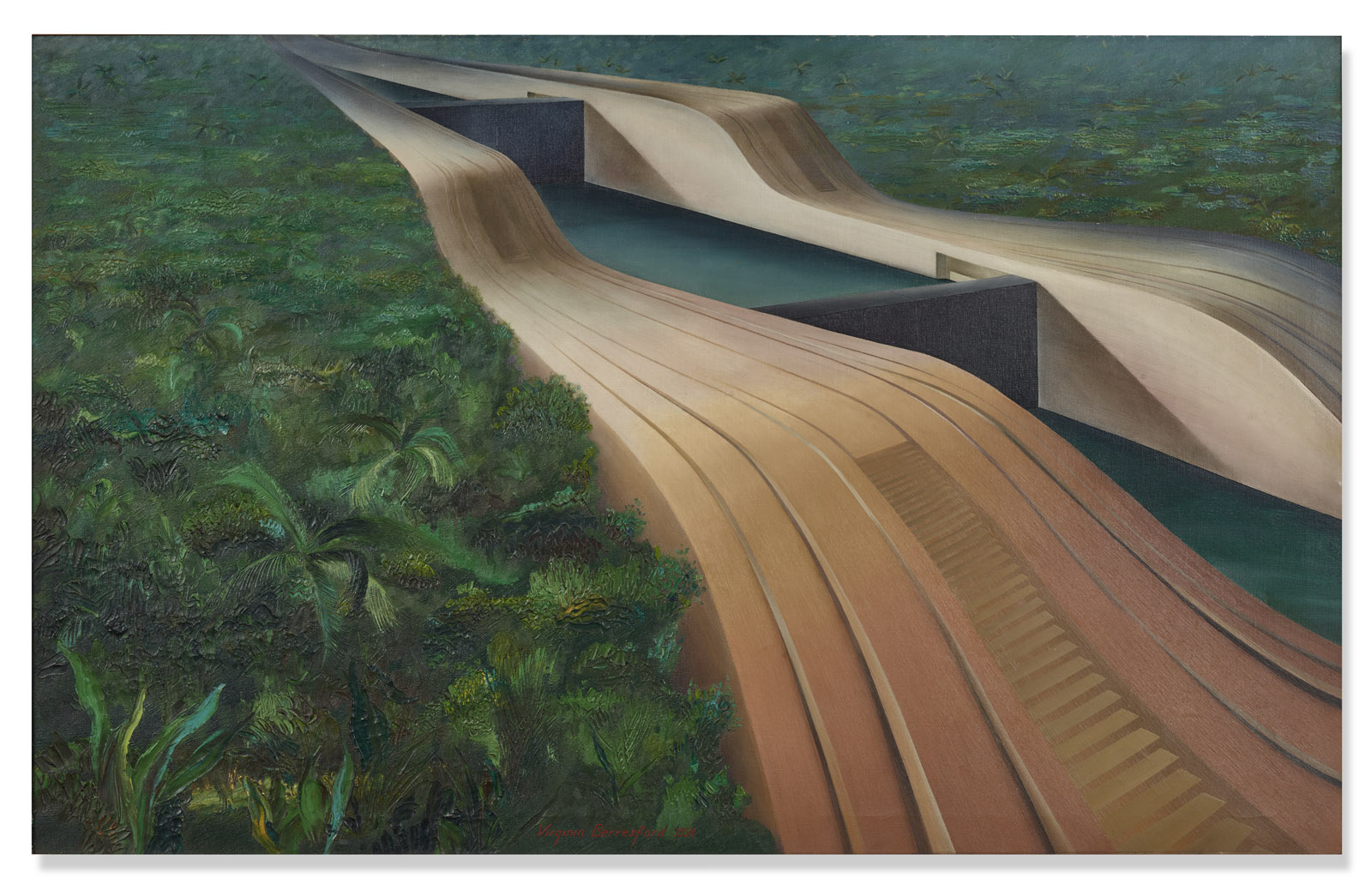
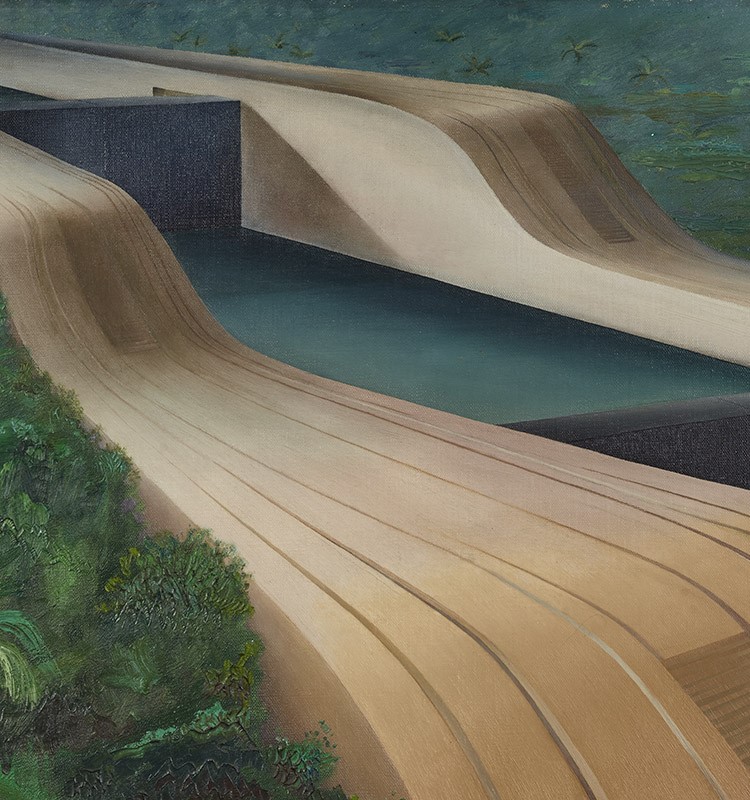
Panama Canal, 1934
Es perfecto. That is all I can think at this moment. The water rises and falls as the ship passes by, and I wonder how we were able to build such a magnificent structure. It is unreal. The rough calluses on our hands from smoothing concrete walls, the missing fingers from excavating the Culebra Cut, the brothers we lost to several illnesses . . . all the struggles seemed meaningless then, as if they were for nothing. But now, we see—no, we feel—the work we put into this. We feel our brothers looking down and smiling at us as we admire the fruit of our labor. We are just the workers, but we have as much right to name our work, and for now, we will name it the Canal de Panamá.
—Valerie Bosso-Morales, Biomedical Engineering Major
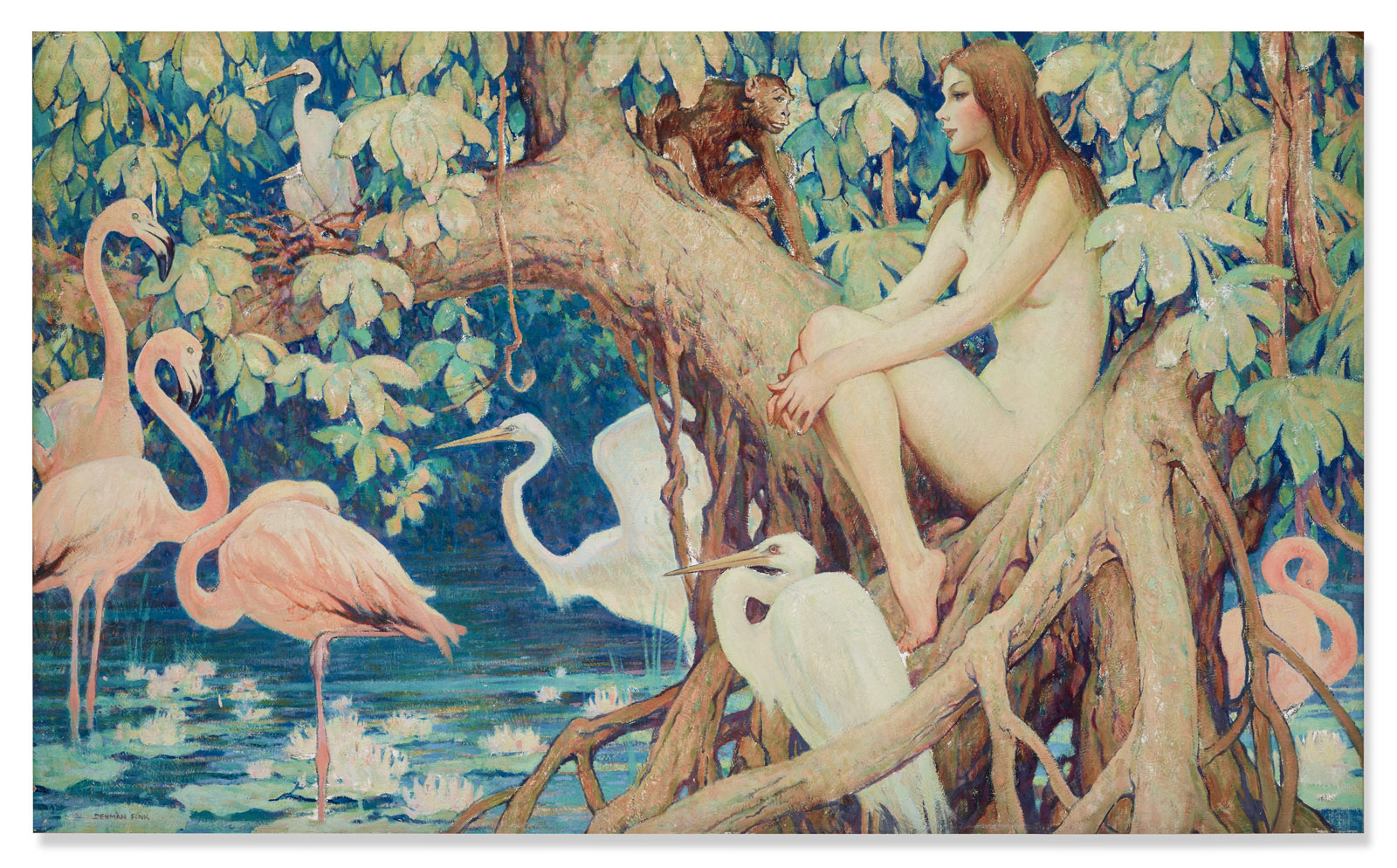
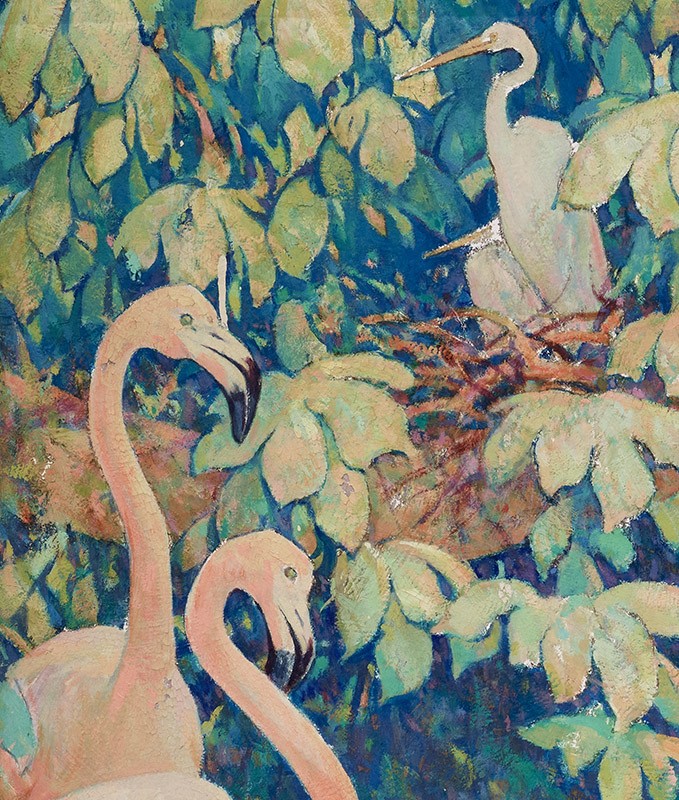
Untitled, c. 1930
As the breeze filters through my leaves and water flows through my roots, I sense the woman perched on my branches once more. My many years of growth have granted me the strength to support her weight and whatever burdens she may carry. Now, I envelop her, bringing a moment of solace far from the ever-growing city blooming miles away. Creatures of the wild approach her warmly, for she, unlike the rest of her kind, has shown them kindness and respect. She grants us the compassion that my siblings were denied when they were displaced to make way for concrete jungles. We must savor this peace before we are reshaped by human hands. For now, as her mind drifts from the distant whispers of crowded avenues, I will continue to stand tall to protect us from the merciless sun.
—Fionna Caraballo, Psychology/Natural Sciences Major
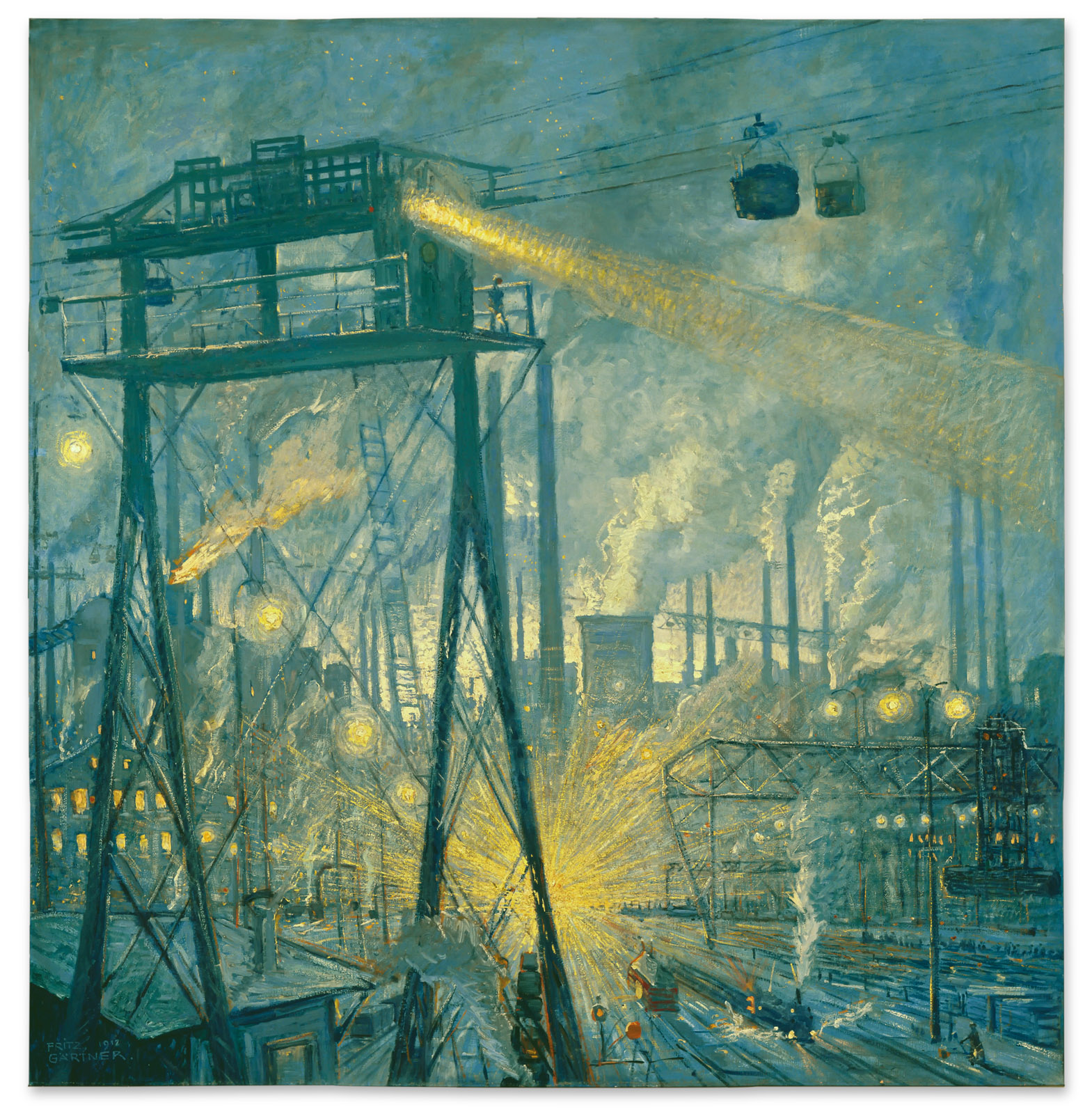
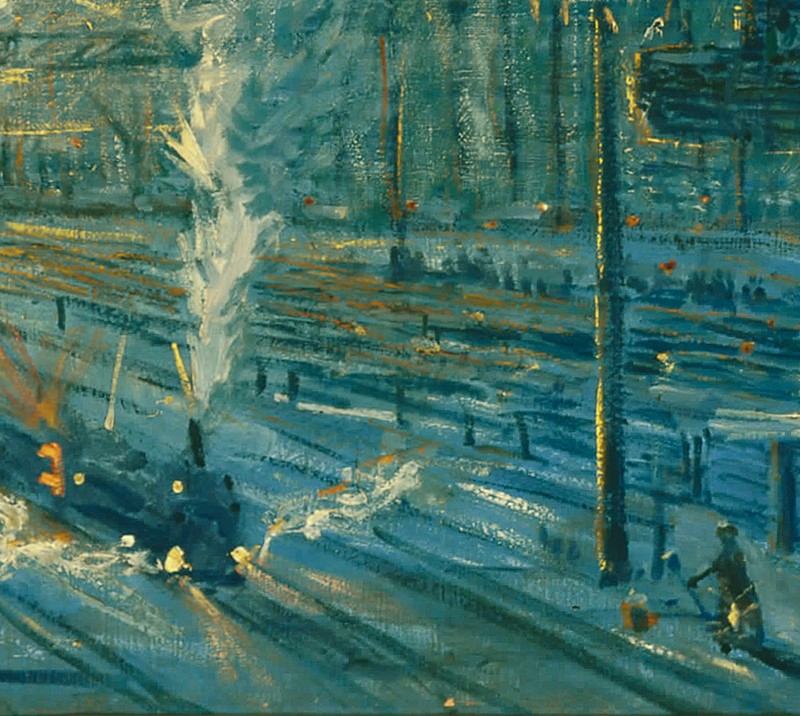
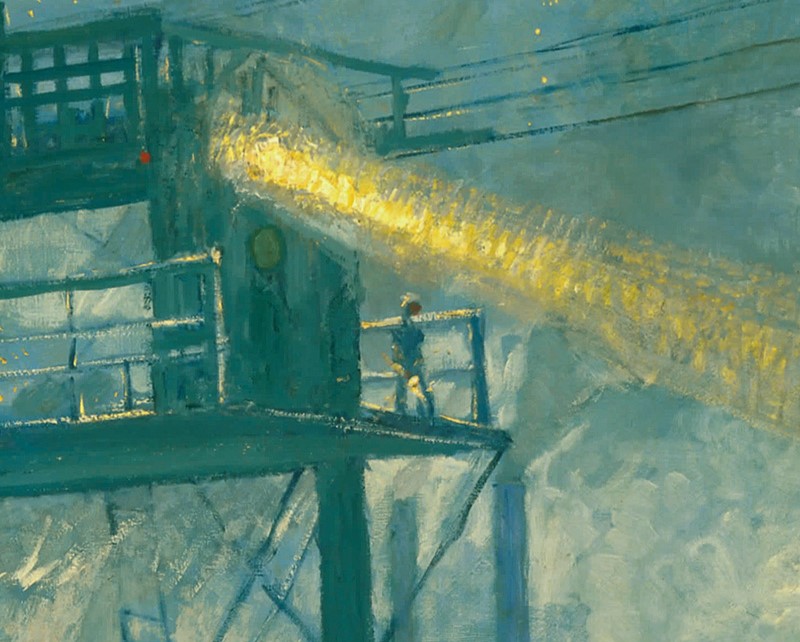
Wintermorgen im Gußstahlwerk [Winter Morning in the Cast Steel Works], 1912
Tired hands pull the lever, and with it come the screeches of the train braking against tracks. Steam and sparks rise toward my face but not enough to warm the cold sweat running down my back. My attention drifts to the factory shadows. Thick pillars of smoke hang heavier than clouds, but it is hard to tell which is which.
Despite the night’s winter haze, the dark sky begins to crack. Light grazes the rails, the rays nearing my feet. I glance towards a different beam atop the tower, an inorganic halo scraping the supervisor’s head. He, too, sees daybreak, but it has yet to reach him. In this insurmountable distance, we share the shadows.
The sun has yet to warm us.
And we have yet to sleep.
—N. S. Lafont, Liberal Studies Major
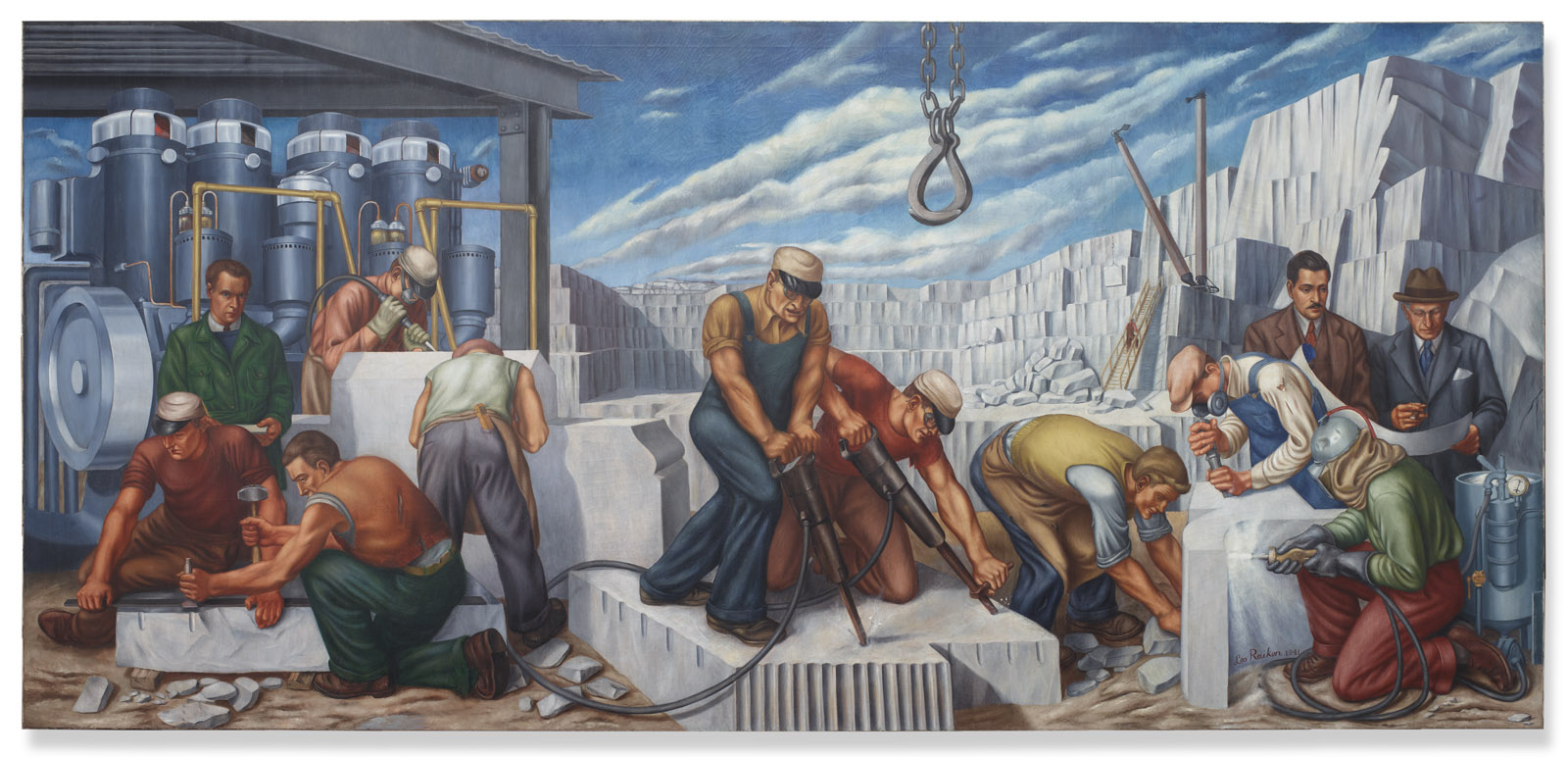
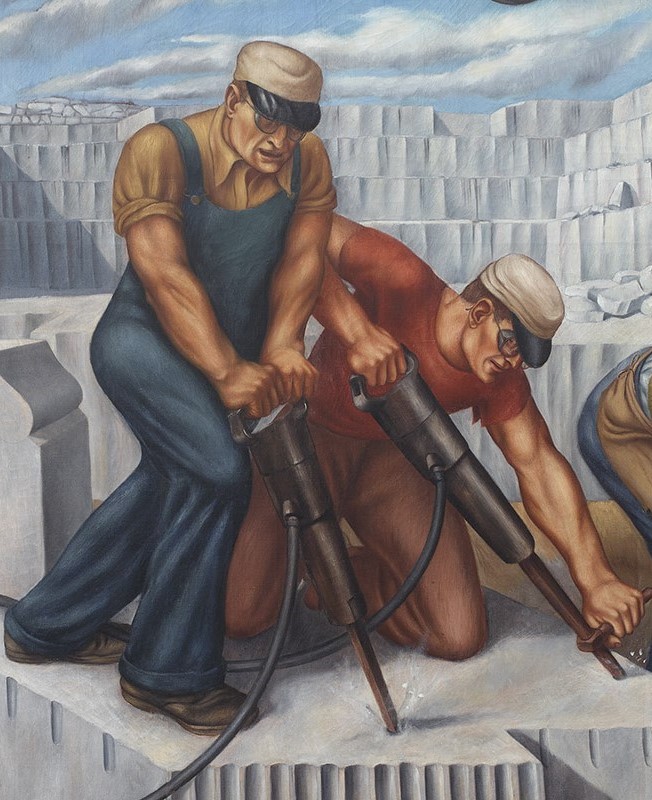
Rock Quarry, 1941
A cacophony of grumbling tools echoes around the yawning hole we have cut into the earth. From the ridge above, we're ants teeming and gnawing at sugar cubes—but down here in the ditch we're men, our muscles gleaming with sweat, the rattle of the jackhammer shaking us to our bones. Each day we blast, lacerate, chisel the stone, working our hands raw and letting them callus so we can do it all over again come sunrise. We are the foreman’s machine, ligaments, and tendons. He points, and we swarm, claim, extract, and excise the land. Today this rock is for the bigwigs, a natural temple turned sacrifice for the buildings, monuments, and pedestals they will dedicate to their wealth—the wealth we bore them. The sun beats down on me and I ask the ground: where is our pedestal?
—Alex Cooper, Psychology & Political Science Major
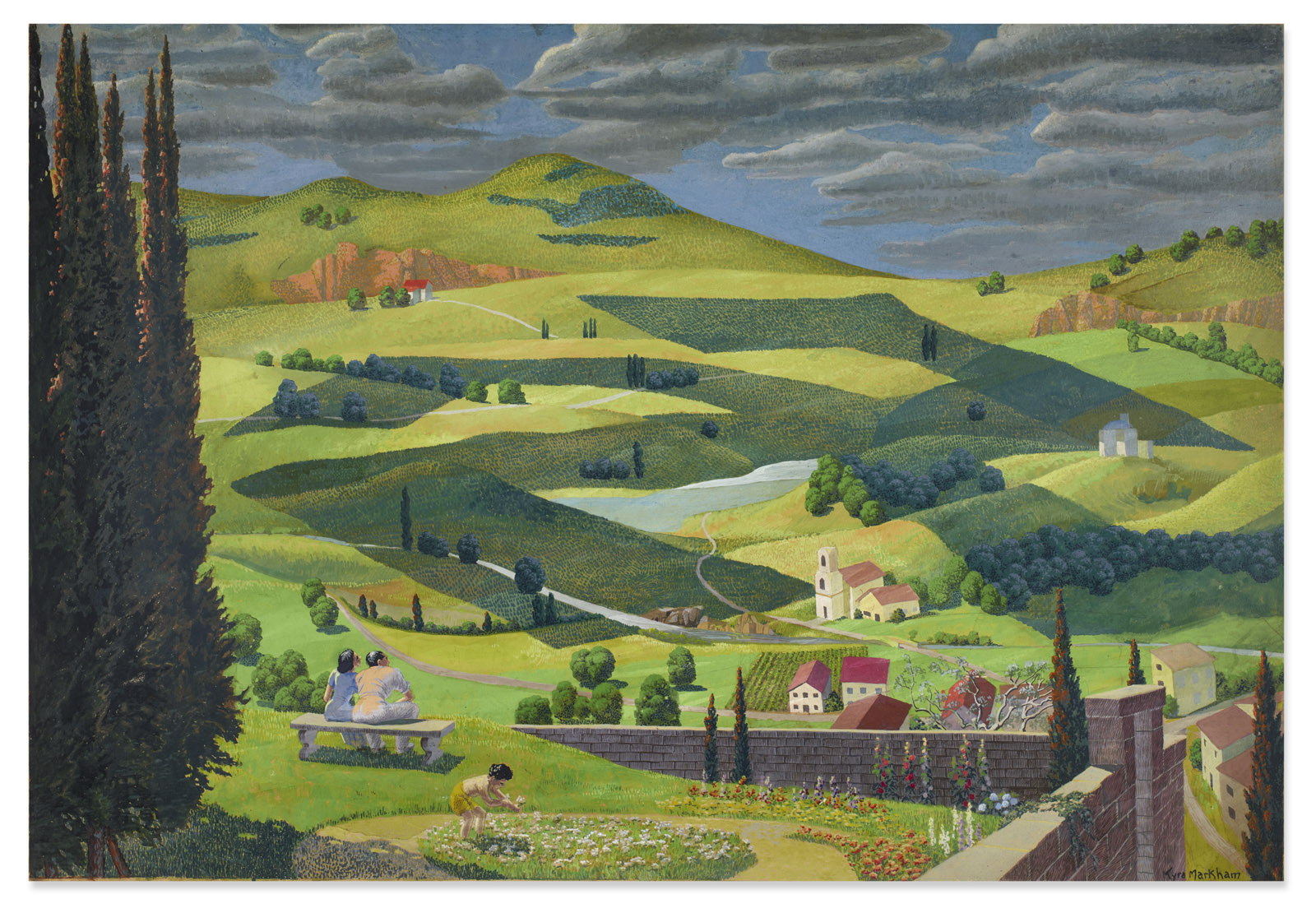
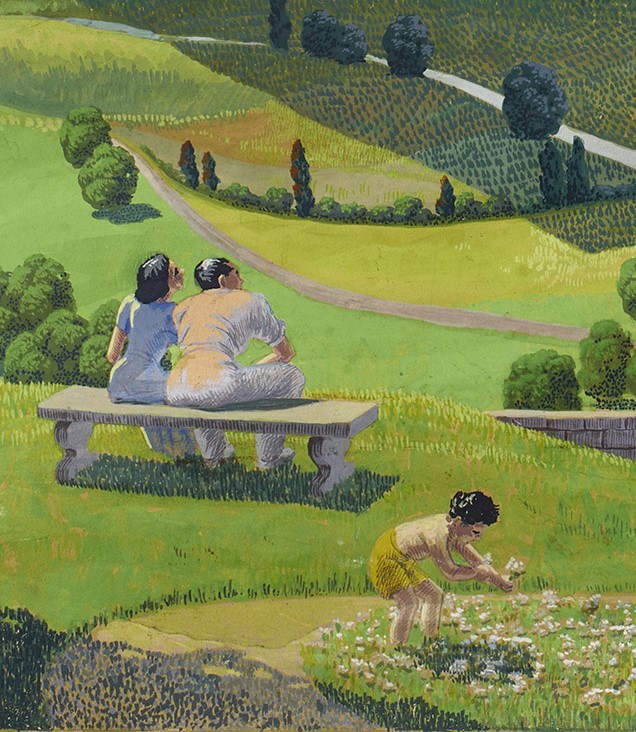
Oncoming Storm, c. 1940
I walk along the quiet road, feeling the earth beneath my feet. The hills roll gently in the distance, farms tucked between them like something out of a dream. But the sky . . . it is darkening. The shadow of something sinister hangs overhead. I can’t shake the unease building in my chest. The wind has changed too, no longer sweet but heavy with the threat of rain. There is no sound now, just stillness—as if the universe is holding its breath, bracing for what's to come. I glance toward the village, its church steeple a lonely marker of hope. But even that appears small against the growing darkness. The peace here is fragile, and I know, deep down, that it is about to shatter.
—Andrea Aleman, International Business Major
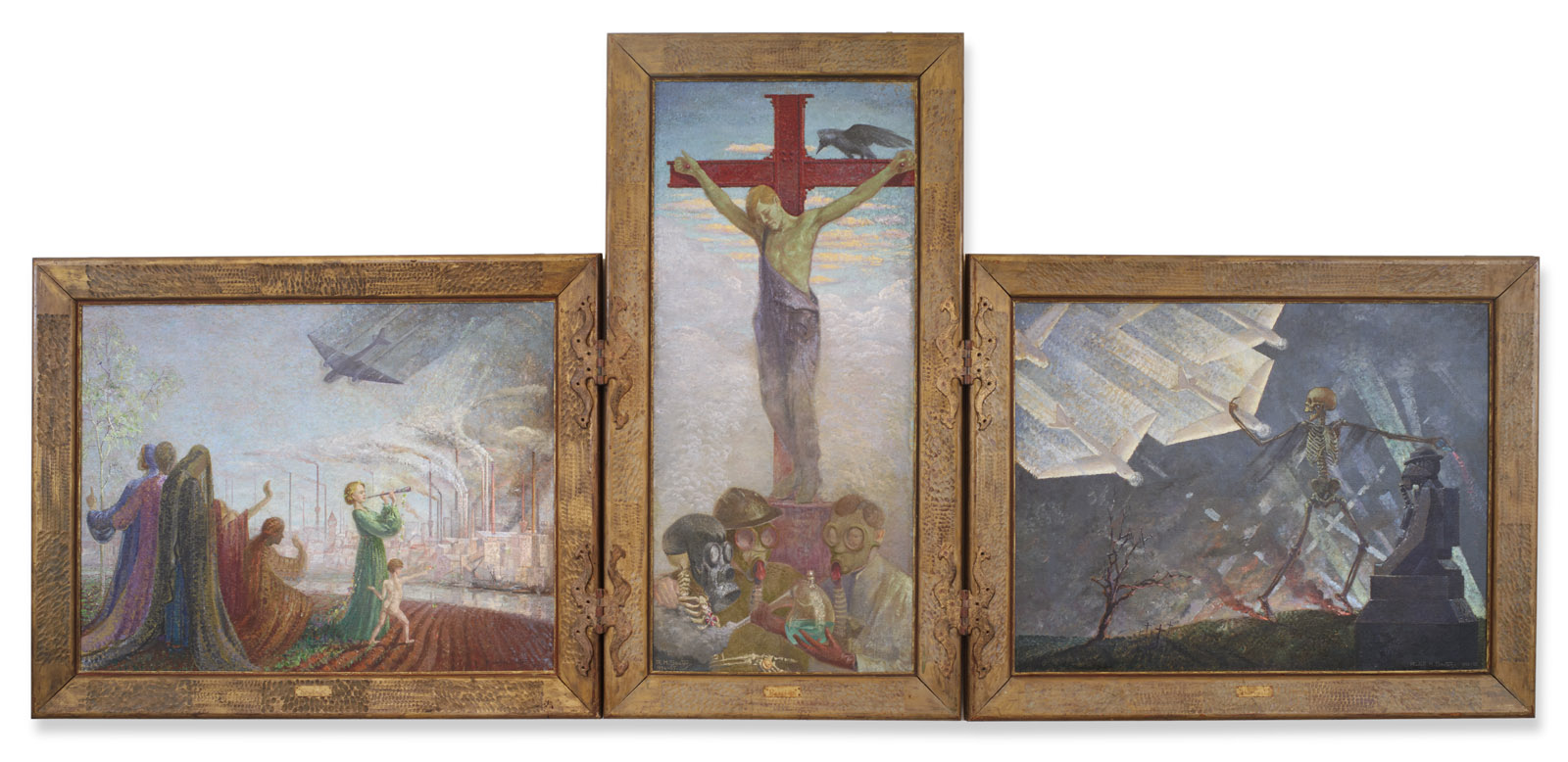
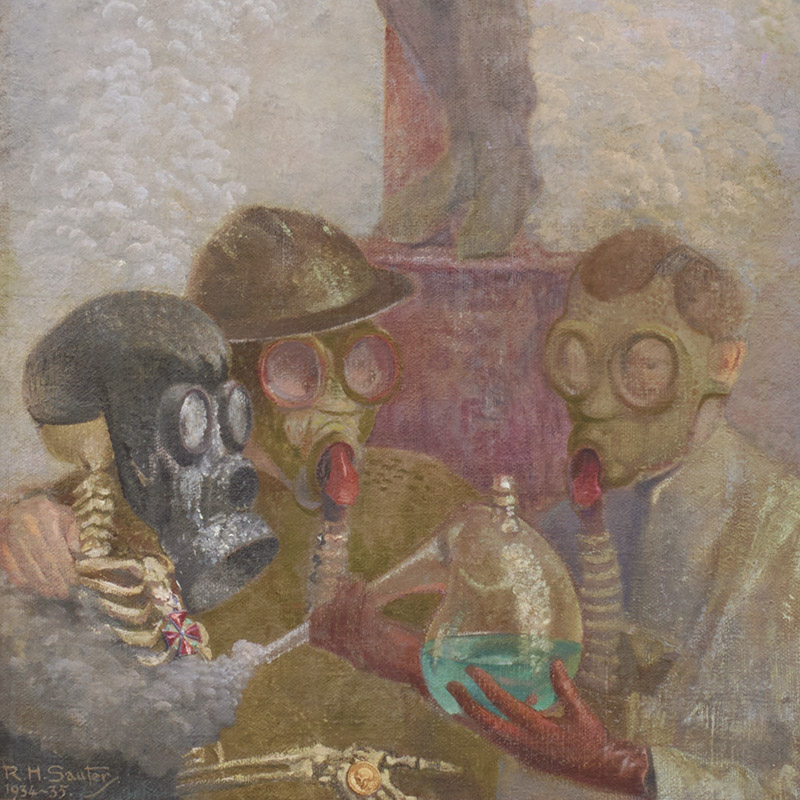
Never More…!, 1934–35
I'm eager to hand over this beaker. The chemicals percolating inside have grown uncomfortably hot. Plumes of noxious gas fill the air. It's enough to cloud our vision, but I can still see the glint of the gold coin in his outstretched hand. The man's face, like mine, is obscured by a bulky gas mask. Both of us know what these fumes are capable of. As the sun shoots out its dying rays, a sense of urgency washes over me. A crow calls from overhead, as if to warn me. Still, I reach out and take the money. This invention was made to sell, not to keep.
—Audrey Leyva, Art History Major